


15 Gennaio 2026
Tecnologie di georeferenziazione: Gaudenzio l’App creata da Ulixe per arte e territorio
15 Settembre 2023
Scopri come la georeferenziazione arricchisce l’esperienza culturale, con l’App Gaudenzio di Ulixe abbiamo geo-referenziato il territorio e l’arte!
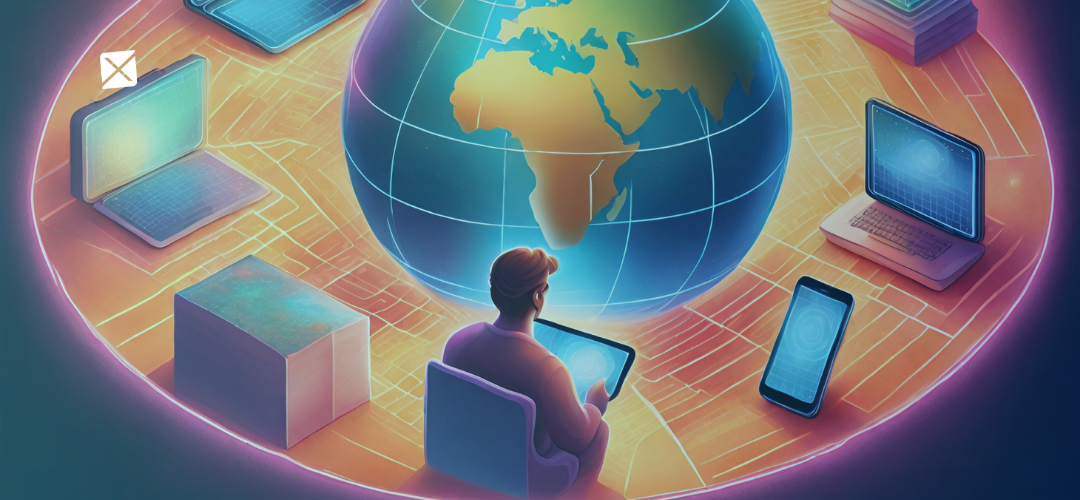
Tecnologie di Geo-referenziazione, un termine a prima vista complicato che, in realtà, indica un concetto molto semplice: l’insieme di tecnologie per localizzare sulla superficie terrestre un oggetto o un evento.
Oggi ci immergeremo in questo mondo affascinante che unisce territorio e tecnologia!
In questo articolo vi racconto come questa tecnologia abbia assunto un ruolo fondamentale nella nostra quotidianità. Inoltre, insieme a un ospite d’eccezione: Francesco Scrufari, Co-Fondatore e Amministratore di Ulixe Group, vi racconto come Ulixe ha impiegato questa tecnologia in un progetto che unisce Arte, Territorio e Tecnologia: l’App Gaudenzio.
Indice
- Tecnologie di georeferenziazione: localizzare nella Nostra Realtà
- Cos’è un GIS? Alla base delle tecnologie di georeferenziazione
- Un caso di Successo: L’App Gaudenzio by Ulixe
Tecnologie di georeferenziazione: Localizzare nella Nostra Realtà
La possibilità di condividere la propria posizione o di collocare un’attività, un manufatto, un evento nel mondo è diventato oltre che comune, anche irrinunciabile.
Ma cos’è veramente la posizione? La posizione gps, in fondo, è “solo” la componente qualificante dell’informazione geografica.
Che si tratti di coordinate geografiche, un indirizzo o la distanza lungo una strada principale, la posizione geografica ci fornisce un modo univoco per localizzare e identificare un punto su una mappa.
Enrichment del territorio grazie ai geodata
Ma c’è qualcosa di ancora più affascinante. Aggiungere la posizione all’insieme di informazioni che descrivono un luogo, un’architettura, un evento o quant’altro nello spazio reale, significa arricchirla di metadati geografici che permettono di evidenziare gli oggetti fisici su una mappa virtuale e interagirci. In tal modo, le informazioni complessive possono essere sfruttate trasversalmente, in diverse applicazioni e in svariati ambiti disciplinari.
Dalla scienza dell’ambiente fino a scopi più ludici come visitare una mostra d’arte itinerante. Grazie alle tecnologie di georeferenziazione, è possibile utilizzare un’applicazione sul tuo smartphone che ti guida lungo il percorso della mostra e ti fornisce informazioni su di essa. É il caso dell’applicazione sviluppata da Ulixe group in occasione della mostra ‘Il Rinascimento di Gaudenzio Ferrari’, che nel 2018, coinvolge tre città del Piemonte, Varallo Sesia, Vercelli, e Novara.
Cos’è un GIS? Alla base delle tecnologie di georeferenziazione
Ogni qualvolta si usa un navigatore o cerchiamo un luogo di nostro interesse all’interno di una mappa virtuale stiamo sfruttando un sistema GIS: Geographic Information System.
Un sistema GIS è un complesso di hardware e software che consente di gestire, analizzare e visualizzare dati geografici.
Cosa c’è dietro il GIS: Dati Satellitari e GPS
I dati geografici utilizzati in un sistema GIS possono includere fotografie satellitari e informazioni sul posizionamento GPS. Questi sono fondamentali per creare informazioni georeferenziate dettagliate e precise.
Le fotografie satellitari forniscono una visione dettagliata della superficie terrestre, consentendo di identificare e rappresentare oggetti e caratteristiche geografiche.
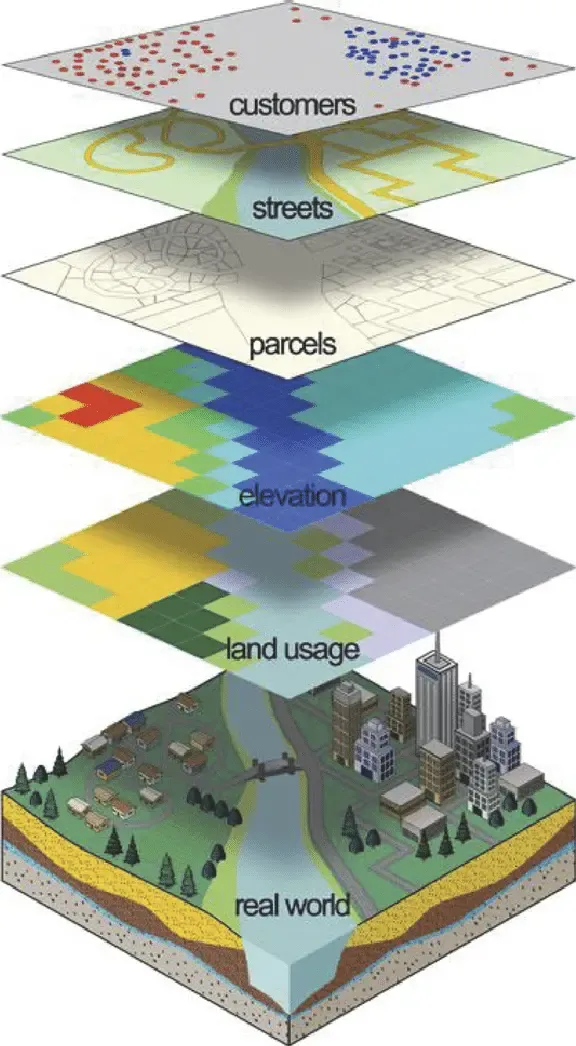
Modello a strati GIS.
Fonte: ResearchGate
Lalocalizzazione GPS consente, invece, di determinare con precisione la posizione di un oggetto o un evento sulla superficie terrestre utilizzando coordinate geografiche.
In altre parole, un sistema GIS sfrutta fotografie satellitari e il posizionamento GPS per creare e gestire dati georeferenziati, che a loro volta vengono utilizzati per fornire informazioni precise e per supportare attività come la navigazione e la visualizzazione di mappe interattive virtuali.
Database Georeferenziati: Struttura e Software per le Informazioni Geografiche
I database georeferenziati sono alimentati da questo insieme di dati necessari per costruire un sistema di informazioni geografiche.
I database georeferenziati possono essere basati su diversi software in funzione dell’utilizzo e della tipologia di fruitore finale. Possono gestire mappe in due o tre dimensioni sulle quali sovrapporre vari strati informativi, come siti di interesse, strade ma anche studi di settore e analisi utili per la ricerca: attraverso l’integrazione tra dati tele rilevati con i dati cartografici, statistici, ambientali, ecc. queste piattaforme consentono l’informatizzazione e la successiva interrogazione dei dati.
Un esempio di database geospaziali è PostGIS, che offre funzionalità avanzate per la gestione e l’analisi di dati geografici all’interno di PostgreSQL. Con PostGIS, è possibile creare, interrogare e analizzare oggetti geografici come punti, linee e poligoni.
Per dati geografici non strutturati, invece, i database NoSQL come MongoDB possono essere più utili. MongoDB consente di archiviare dati geografici come documenti JSON e supporta l’indicizzazione e la query spaziale per la ricerca efficiente dei dati.
Un caso di Successo: L’App Gaudenzioby Ulixe
Opere d’arte, eventi culturali, enogastronomici, sportivi: tutto ciò che si trova in un territorio può essere raccontato attraverso contenuti georeferenziati.

Il Rinascimento di Gaudenzio Ferrari
Quando si unisce questo sistema alla Realtà Aumentata, si crea un’opportunità per creare esperienze interattive e coinvolgenti.
Con queste premesse che, nella primavera del 2018, Ulixe ha sviluppato e rilasciato “Gaudenzio”: l’app ufficiale della mostra itinerante “Il Rinascimento di Gaudenzio Ferrari”. L’applicazione sfrutta la georeferenziazione per guidare i visitatori lungo il percorso della mostra, fornendo informazioni dettagliate sulle opere d’arte dell’artista e offrendo un’esperienza coinvolgente e interattiva.
Insieme a Francesco Scrufari, CEO di Ulixe Group, esaminiamo come Ulixe ha integrato le tecnologie di georeferenziazione nell’applicazione e le diverse fasi del processo di sviluppo: dall’ingaggio fino alla dismissione del progetto.
Gaudenzio: Intervista a Francesco Scrufari, Co-Fondatore di Ulixe Group

Gaudenzio, Logo App
Come si è arrivati a proporre una App basata sulle tecnologie di georeferenziazione? Da anni Ulixe collabora col Politecnico e l’Università di Torino. Durante uno degli incontri periodici, il Dipartimento di Design of Arts ha presentato il progetto dell’applicazione, in divenire, riguardante la mostra itinerante sulle opere di Gaudenzio Ferrari.
Di fronte a questa sfida, Ulixe ha deciso di impiegare la propria esperienza nel campo delle tecnologie mobile e è nata l’idea di creare un’app basata sulla tecnologia di georeferenziazione. Questa scelta è nata dal desiderio di offrire un’esperienza interattiva e coinvolgente ai visitatori, guidandoli attraverso i luoghi che ospitavano le opere di Gaudenzio Ferrari, fornendo informazioni sulle opere in tempo reale.
L’Importanza della Geolocalizzazione nell’app Gaudenzio
La tecnologia di geolocalizzazione rivestiva un ruolo di fondamentale importanza nell’applicazione perché le opere di Gaudenzio Ferrari erano collocate in diverse posizioni. L’opzione di utilizzare il riconoscimento delle immagini con i dati georeferenziati si è rivelata immediatamente logica ed efficace.
L’utilizzo della geolocalizzazione consentiva agli utenti di essere informati in tempo reale quando si trovavano nelle vicinanze di una di queste opere tramite notifice Push geografiche da parte di “Gaudenzio”.
Grazie alla tecnologia della Realtà Aumentata, inoltre, i visitatori potevano esplorare le località della mostra attraverso la fotocamera del proprio telefono, consentendo al sistema di riconoscere le opere dell’artista e fornire informazioni dettagliate tramite pop-up testuali, didascalie e persino guide audio!
La tecnologia di geolocalizzazione impiegata è stata essenziale, infine, in quanto l’applicazione poteva creare dei veri e propri tour interattivi lungo i vari “luoghi del Ferrari”, offrendo un’esperienza coinvolgente e permetteva ai visitatori di esplorare il territorio in maniera unica, guidati dalla magia dell’arte e dalla comodità della tecnologia.
Da chi era composto il gruppo di lavoro che ha progettato e realizzato la piattaforma?
Il lavoro ha coinvolto circa una ventina di persone, tra cui alcuni dottorandi del Dipartimento di Design, che si sono occupati di creare lo schema di navigazione e curare l’estetica. Torino Musei, il cliente, ha fornito ii contenuti e le informazioni sulle opere, nonché della pubblicizzazione dell’applicazione. Ulixe, invece, ha messo a disposizione la sua unità di sviluppo mobile (The Lab Torino), con la sua esperienza nell’ambito, per sviluppare l’applicazione con una user experience efficiente e godibile in relazione al potenziale fruitore dell’applicazione.
Sono stati necessari degli studi o l’assunzione di nuove figure ad hoc specializzate nelle tecnologie di georeferenziazione per colmare le competenze mancanti?
L’unità mobile ha, tra i vari compiti, la ricerca e lo sviluppo delle novità tecnologiche, individuare le più interessanti e capire se e come integrarle, al netto della loro utilità e fruibilità da parte del pubblico target. Tra le varie tecnologie che abbiamo utilizzato per sviluppare l’applicazione e integrata nel bagaglio di competenze del team Georeferential Data.
Scendendo più nel tecnico: a livello di Back-End e a livello dati, come vengono gestite ed interpretate le informazioni in relazione al territorio?
Ulixe ha sviluppato il back-end su AWSpartendo dai contenuti che il dipartimento e i relatori avevano fornito già completi delle indicazioni sulla posizione dell’oggetto fisico. I metadati relativi alle opere sono stati inseriti nel database DynamoDB.
Successivamente, attraverso le informazioni sulla posizione ricavate in tempo reale dal dispositivo utilizzato, grazie all’SDK di Maps, si otteneva una visualizzazione su mappa dei punti di interesse precedentemente definiti nel database; in questo modo la navigazione avveniva direttamente in app che forniva una preview dei luoghi/opere nonché le indicazioni per proseguire nel percorso della mostra.
Ovviamente, abbiamo dato all’utente la possibilità di “navigare virtualmente” i luoghi e consultare i percorsi già da casa, potendo così scegliere in anticipo il proprio itinerario in base al tempo a propria disposizione o agli spostamenti o alle tematiche.
A quali criticità si è dovuto far fronte nell’implementare queste tecnologie mobile sul territorio?
La difficoltà principale era dovuta al fatto che le opere si trovassero in varie località ed alcuni territori non sempre erano coperti efficacemente dalla rete mobile; in particolare, se i manufatti si trovavano all’interno di edifici antichi, si sarebbero potuti creare problemi di fruizione dei dati o rallentamenti che avrebbero potuto compromettere l’utilizzo di “Gaudenzio”. Per far fronte a questa situazione, all’apertura dell’app veniva fatto un pre-download di tutte le posizioni e, in prossimità di queste, venivano caricate nella cache le informazioni relative a quanto presente in quell’area (si precisa che, in quel periodo, la regolamentazione sull’utilizzo dei dati in background e sulla posizione era diversa da quella attuale, ndr.).
Ci racconti qualche curiosità, qualche aneddoto della fase progetto/sviluppo?
Quando le diverse componenti del gruppo di lavoro presentano diverse esigenze e soluzioni, alle volte si può arrivare ad una sorta di impasse. In questi casi bisogna non perdere di vista il traguardo finale: dare al fruitore della piattaforma la migliore esperienza possibile sulla base degli scopi del software e dei contenuti forniti dal cliente; essenziale è, pertanto, una gestione delle relazioni efficace per ottimizzare la piattaforma non nel migliore dei modi. A livello tecnico bisogna tenere in considerazione il target dell’utente che andrà ad usufruire dell’applicazione, nel concreto, e costruire interfaccia e modello di navigazione di conseguenza; non solo: diversi utenti hanno diversi dispositivi di vari brand, importantissimo, quindi, rendere il tutto funzionale indipendentemente dal mezzo con cui si userà l’App.
Quale riscontro ha avuto l’app sull’utenza finale? Quali le reazioni del cliente?
L’app è piaciuta molto e le recensioni sugli store sono state molto positive, premiando l’esperienza di utilizzo. Torino Musei e il Politecnico hanno apprezzato il risultato e, di riflesso, ne possiamo parlare come un prodotto ben riuscito.
Terminata la mostra, l’app è stata dismessa: cosa si prova quando una propria creazione non viene più utilizzata?
Anche se si sapeva dall’inizio che l’applicazione avrebbe avuto un periodo di utilizzo limitato, un po’ di dispiacere si prova, soprattutto se sei consapevole di quante energie e tempo sono stati spesi per realizzarla. Logicamente è tutto proporzionato a quanto sei coinvolto all’interno del processo: è innegabile che alle volte sei talmente coinvolto e ti sei speso tanto da sentirti un pezzo mancare… è come se salutassi un amico che non sai se rivedrai più! Quando sai però di aver realizzato qualcosa di riuscito sai che te lo porterai sempre dentro come un’esperienza positiva.
L’esperienza di “Gaudenzio” ha quindi arricchito il magazzino di Ulixe con nuovi elementi della georeferenziazione mobile: sulla base di quanto acquisito durante questo progetto, cosa è stato o potrà essere usato in contesti diversi?
L’impianto dell’applicativo, seppur dismesso, si adatta a qualsiasi tipo di esibizioni o mostre itineranti; ovviamente, ad oggi, l’evoluzione tecnologica ha fornito diversi strumenti che potrebbero rendere ancora più veloce e fruibile una piattaforma di questo tipo. Più di recente, le tecnologie di georeferenziazione sono state utilizzate in una collaborazione col Museo del Cinema di Torino in una esposizione che prevedeva diversi allestimenti video in varie posizioni del percorso della mostra: per migliorare l’esperienza sonora è stata sviluppata una App che, grazie alla localizzazione dell’utente e la sincronizzazione con i video in mostra, permetteva di sentirne l’audio tramite il cellulare.
E oggi? Qualche altro progetto in cantiere che usa le stesse tecnologie?
Negli ultimi anni, varie applicazioni basate sulle tecnologie di geolocalizzazione e georeferenziazione sono state rilasciate dall’azienda. Queste tecnologie fanno oramai parte dell’esperienza di quasi tutte le app mobile a partire, ad esempio, dalla localizzazione dell’utente in fase di login per garantire una maggiore sicurezza: riconoscendo il tentativo di connessione da una posizione diversa da quella consueta, viene richiesta nuovamente la password e l’autenticazione a due fattori. È solo un esempio per far capire quanto la localizzazione sia divenuta essenziale.
Conclusioni
La tecnologia di georeferenziazione ha cambiato il nostro modo di vivere e interagire con il mondo che ci circonda. Grazie alla geo-referenziazione, possiamo scoprire, esplorare e conoscere luoghi e opere d’arte in maniera coinvolgente e innovativa. L’App Gaudenzio è stata un esempio di successo di come la georeferenziazione possa arricchire la nostra esperienza culturale e turistica, aprendo nuove possibilità per il futuro.